
HOME / PRODUCTS / GRAVITY FILTER
Automatic Gravity Filter for Edible Oil Dewaxing & Winterization
Eco Plus Gravity Filter is designed for low-pressure filtration during edible-oil dewaxing and winterization, combining closed operation, automation and efficient wax separation within a purpose-built industrial filtration system.
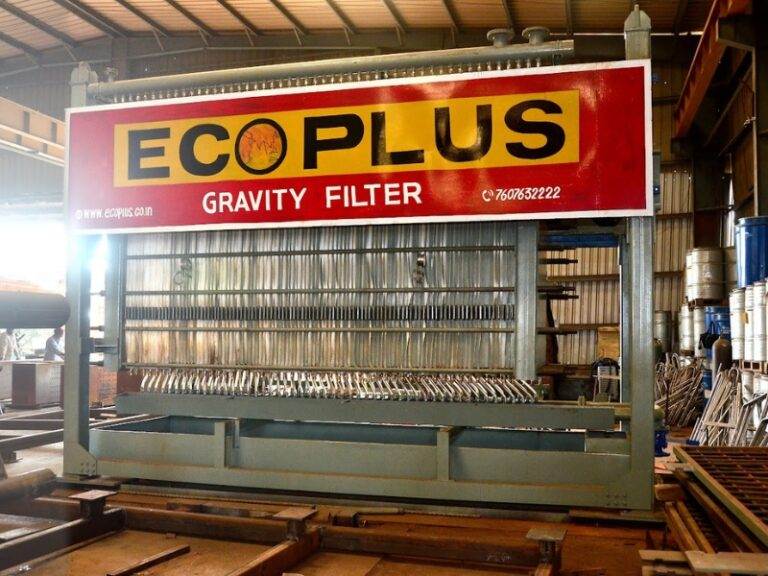
A closed filtration stage built for the winterization line
During winterization, chilled oil carries crystallized wax and stearin that must be separated before the oil returns to the refining line. The Eco Plus Gravity Filter performs that separation at low pressure, so the crystal structure formed during maturation is not broken down by aggressive pumping.
The system is supplied as a configured unit: filtration chamber, media, heating provision, discharge arrangement and control panel are sized against the plant’s capacity, oil type and available cycle window.
What changes on the plant floor
Low-pressure separation
Filtration at 0.1–0.6 bar keeps wax crystals intact rather than forcing them into the media.
Closed handling
Oil stays enclosed through filtration and discharge, reducing open exposure on the floor.
Sequenced operation
Feed, filtration, discharge and cleaning run as a controlled sequence instead of a manual routine.
Simplified turnaround
Automated cleaning is designed to shorten the gap between filtration batches.
Reduced operator load
Fewer repetitive manual activities per cycle, which helps process consistency across shifts.
Configured to the plant
Filtration area and cycle assumptions are sized against capacity, oil type and available window.
Inside the filtration unit
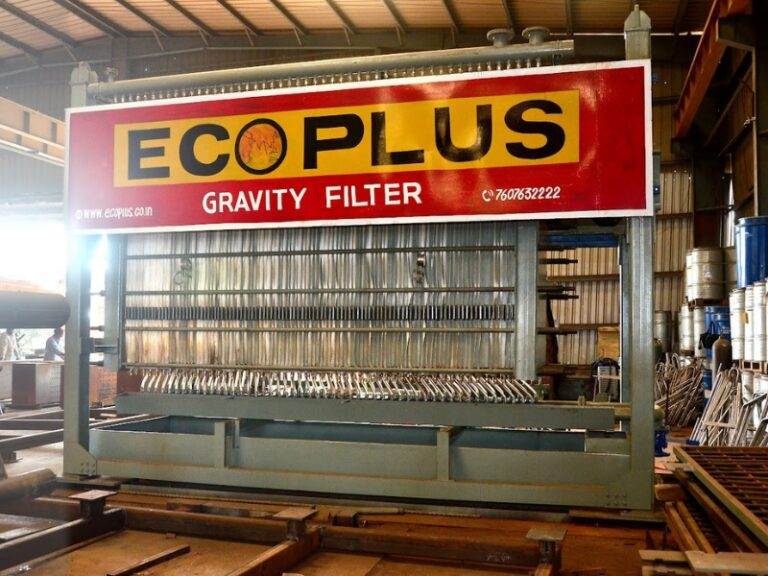
Winterized oil enters under controlled flow so the crystal structure formed during maturation is not disturbed.
Feed is spread across the filtration surface to keep cake build-up even across the bed.
The media forms the separation surface. Wax and stearin are retained while clarified oil passes through.
Retained solids accumulate in a defined zone, keeping the differential pressure stable through the cycle.
Steam heating supports viscosity control during filtration and discharge where the application requires it.
Filtered oil is collected and returned to the downstream refining line.
Wax and stearin are removed in a contained manner, limiting open handling on the floor.
The PLC sequences feed, filtration, discharge and cleaning, with process parameters visible to the operator.
One cycle, six controlled stages
Gravity provides the driving force. The pressure differential across the media stays low, so the wax cake builds as a stable layer instead of being compressed into the cloth.
Feed
Matured oil is admitted to the chamber.
Filtration
Gravity drives oil through the media.
Retention
Wax and stearin build on the bed.
Collection
Clarified oil is collected and returned.
Discharge
Retained solids are removed in containment.
Cleaning
The bed is prepared for the next batch.
Operating parameters
Values marked “configured” are established per project. Confirm all figures against the issued datasheet before procurement.
Control system
The panel sequences the cycle and exposes the parameters an operator needs during a batch.
- Automatic cycle control
- Process monitoring
- Cleaning sequence
- Controlled discharge
- Functionality varies by configuration
Filtration media
Media is selected against wax load, crystal size and the oil being processed.
- Woven filter cloth
- Selection by oil and wax characteristics
- Service life up to 2 years*
- Replaceable in service
- Spares supplied on request
Utilities required
Utility loads are confirmed per configuration at proposal stage.
- Steam supply up to 3 bar
- Compressed air for actuation
- Electrical supply for panel and drives
- Drain and discharge routing
- Feed and outlet piping tie-ins
Oils the system is configured for
Rice Bran Oil
Dewaxing filtration for cold clarity.
Sunflower Oil
Wax removal during winterization.
Corn Oil
Crystallized wax separation.
Cottonseed Oil
High-melting component removal.
Sesame Oil
Clarity and sediment control.
Safflower Oil
Cold-stability filtration.
Against a conventional PP filter press
| PARAMETER | PP FILTER PRESS | ECO PLUS GRAVITY FILTER |
|---|---|---|
| Operation | Higher manual intervention | Automated process control |
| System design | Open/manual handling | Closed filtration approach |
| Cleaning | Manual cleaning process | Automated cycle where applicable |
| Oil handling | Greater open handling exposure | Controlled enclosed handling |
| Turnaround | Longer cleaning and resetting | Simplified cycle turnaround |
| Footprint | Larger operational area | Compact engineered configuration |
What the plant needs to provide
Questions from plant and project teams
If your question is application-specific, send the oil type and current filtration method — a filtration engineer will respond with the relevant configuration.
A gravity filter separates crystallized wax and stearin from winterized edible oil using the head of the oil column rather than pump pressure. Filtration takes place at roughly 0.1–0.6 bar, which keeps the wax cake intact and allows the clarified oil to pass through the media without the crystal structure being compressed into the cloth.
Chilled, matured oil enters the chamber and is distributed across the filter bed. Gravity provides the driving force; wax is retained on the media surface while clarified oil is collected below and returned to the process. Retained solids are discharged at the end of the cycle and a cleaning sequence prepares the bed for the next batch.
Winterization crystallizes waxes by cooling and holding the oil. Filtration is the stage that physically removes those crystals. If the crystals are broken or forced through the media, cold clarity in the finished oil suffers, which is why low-pressure separation matters at this stage.
The system is applied to rice bran, sunflower, corn, cottonseed, sesame and safflower oils. Configuration differs by oil because wax content, crystal habit and viscosity at filtration temperature vary between them.
The filtration stage operates in the 0.1–0.6 bar range. Steam supply for heating is typically up to 3 bar. Exact figures are confirmed per configuration.
A filter press relies on pump pressure and manual plate handling for cleaning; the gravity filter runs as a closed, sequenced unit with automated cleaning and contained discharge. The practical differences show up in operator involvement, housekeeping and turnaround rather than in separation alone.
Yes, where the layout provides the required head, service clearance and utility connections. Integration is assessed against the existing winterization and dewaxing line before a configuration is proposed.
An automated cleaning sequence prepares the filtration surface between batches. Periodic inspection and media replacement remain manual maintenance activities. Automation functionality varies by model and configuration.
Send your oil type and capacity. We will size the filtration stage.
A proposal typically covers filtration area, cycle assumptions, utilities, layout envelope and scope of supply.
Error: Contact form not found.